Dating for Art Lovers: What the Way You Look Reveals
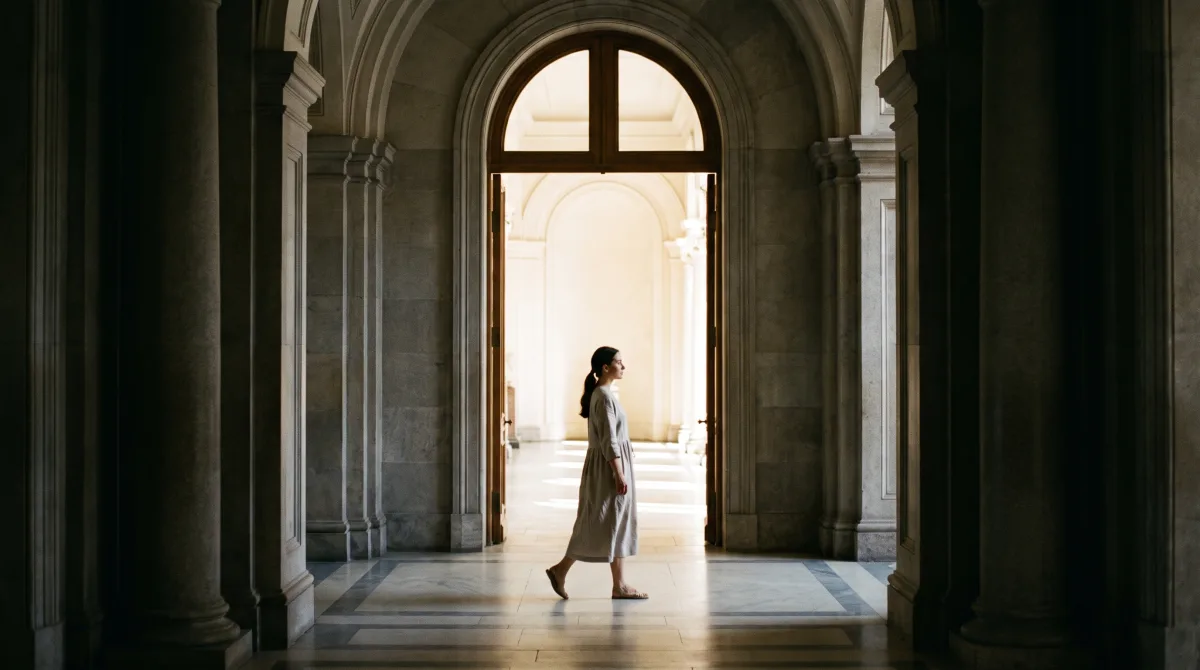
Museum visitors spend a median of just 17 seconds in front of any single work, per a replication of the landmark Metropolitan Museum study — Smith, Smith & Tinio (2017). Seventeen seconds is a glance. So the person who actually stops, doubles back, or stands there arguing with a canvas is already doing something rare enough to notice — and that, rather than whether two people can name the same three artists, is the thing worth matching on.
Anketta's manuscript is built for that specificity. There's no photo grid and no swipe — you write a free-form self-portrait, and a match signals interest by highlighting an actual line in it. Describe the painting you keep circling back to on a second lap through a gallery, and a highlight on that exact line means someone registered the specific thing you noticed, not a generic "loves museums" tag.
Write the way of seeing a bio field could never hold.It means matching on how someone looks, not on which names they can drop. Two people who both "love art" might mean completely different things — one lingers on brushwork, one wants the story behind the piece, one just needs the room to be quiet. A shared favorite artist tells you almost nothing about which of those three people you're meeting.
That distinction matters because a museum date is a terrible screening tool if all it confirms is that you both bought a ticket. What actually predicts anything is what happens once you're standing in the room — where attention goes, where it doesn't, and whether either of you can say why.
Because the format punishes anything longer than a tag. A six-photo grid has no slot for "the way I look at a painting," so it gets compressed into a museum selfie or the word "artsy" and left there. The compression isn't laziness — it's structural. There's simply nowhere on a swipe profile for a private habit of attention to live.
The result is a strange gap: people who spend real time with art, alone, on purpose, end up describing that time with the same three words everyone else uses. "Loves art and coffee" tells a match nothing a stranger couldn't have guessed.
Try describing the painting you keep circling back to.It reveals what they choose to pay attention to, which is closer to a personality trait than a taste preference is. Aesthetic response varies sharply between individuals even when they're looking at the exact same work — Vessel, Starr & Rubin (2012) found that the most personally moving pieces activate brain regions tied to self-referential thought, not just visual processing — meaning what moves someone says something about them, not just the painting.
That's not a new observation, exactly. It's closer to a very old one, stated more plainly than most academic papers manage:
"We only see what we look at. To look is an act of choice." — John Berger, Ways of Seeing (1972)
A gallery afternoon hands you a version of that choice you can actually watch. Three things it reveals that a "favorite artist" field never will:
- What makes them stop. Anyone can walk past a room. Someone who plants themselves in front of one work — past the 17-second median, past the point of politeness — is showing you where their attention actually lives.
- What they walk past without a glance. Indifference is information too. The rooms someone doesn't linger in say almost as much as the ones where they do.
- What they return to on a second lap. A painting someone circles back to, deliberately, after already seeing the rest of the room, is close to an unscripted answer about what actually moves them.

Yes, but not for the reason people assume. It's not that shared taste in art proves compatibility — it's that standing next to someone while you're both actually looking at something is a rare kind of unscripted time. Neither of you is performing; you're both just noticing, out loud or in silence, and noticing together is a harder thing to fake than a shared opinion is.
That's a different claim than "you both like art," and it's the one that actually holds up on a second date. Two people can disagree completely about a painting and still walk away closer, because the disagreement itself was real — not a matched checkbox, an actual exchange about what each of you saw.
It's common enough that "niche" is the wrong frame entirely. You don't need a design degree or a studio to be someone who slows down in a gallery — most people who'd call themselves art lovers are visitors, not practitioners, and the habit of actually looking is available to anyone who's willing to stand still for longer than everyone else in the room.
Here's how that habit tends to surface across the places a dating profile could show it, compared with what it looks like written out in full:
| Where an eye for art shows up | Gallery selfie / bio tag | Art-account feed | Anketta manuscript |
|---|---|---|---|
| Specificity | "Loves art" or a museum photo | Favorites reposted, no explanation | The exact painting someone keeps circling back to, and why |
| Effort to fake | Low — anyone can stand near a canvas | Low — reposting borrowed taste costs nothing | High — describing a sustained, specific reaction is hard to fabricate |
| What a match can act on | Little beyond "we both like museums" | A shared favorite artist, maybe | The precise detail a match actually highlighted |
There's no photo and no swipe — you write a free-form manuscript, and matching starts when someone highlights an actual line in it as something they respond to. If that line describes the exact canvas you stood in front of for ten minutes, the system registers that specific phrase, not a generic "loves museums" tag, and starts surfacing more manuscripts that share it.
That's the same mechanism behind Anketta's broader approach: the more precisely you write about how you actually look at something, the more precisely the recommendation model can find someone whose attention moves the same way yours does — not just someone who checked the same interests box.
Not replace — reorder. Nobody's claiming a mutual love of a particular painter substitutes for chemistry forever. The claim is narrower: when the first thing you know about someone is the specific work they couldn't walk past, attraction has something real to build on before either of you has seen a face — which is the whole premise behind text-based dating in the first place.
Dating for book lovers is the same argument made about a different medium — what someone underlines instead of what someone stands in front of — and dating for theater lovers makes it again for a live room instead of a page. All three start from the same bet: the specific thing that stopped you is a better compatibility signal than the six curated photos an app usually asks for instead.
A gallery someone has actually spent time in, honestly described, is a harder autobiography to fake than any selfie in front of a famous painting. The question was never whether looking revealed character. It was whether a dating app would ever bother to ask what you saw.
Unsure about writing? Try reading first.What does "dating for art lovers" mean on Anketta?
It means how you look at art becomes part of your actual manuscript instead of a museum-selfie bio tag — the specific work you stood in front of and why is what a match highlights and responds to, not a generic "loves art" checkbox.
Why does the way someone looks at art matter more than which artists they like?
A favorite-artist list is easy to copy from a search result. What actually stops someone, what they walk past, and what they return to reflect real attention built over time — signals a curated photo grid was never built to carry.
Do I need to know a lot about art history for this to work?
No. The signal isn't expertise, it's attention. Someone who can describe exactly why one painting held them for ten minutes is giving you more real information than someone who can name ten movements but nothing specific about any of them.
What if my match hasn't seen the same exhibitions I have?
That's fine — the signal isn't venue-matching, it's noticing. Someone who stops, doubles back, and can describe why is showing you how they pay attention, which matters more than whether you've stood in the same room.
Is a museum still a good first date if we matched this way?
Often, yes — but treat it as a second conversation, not the first one. You've already exchanged something real in writing; the gallery becomes a place to keep noticing together rather than a test of whether you both "like art."
Does this replace physical attraction entirely?
No, it resequences it. You get real signal about how someone pays attention and what moves them before either of you has seen a face, so attraction has more to build on by the time it shows up.