Dating Apps for Musicians: Where Sound Is the First Impression
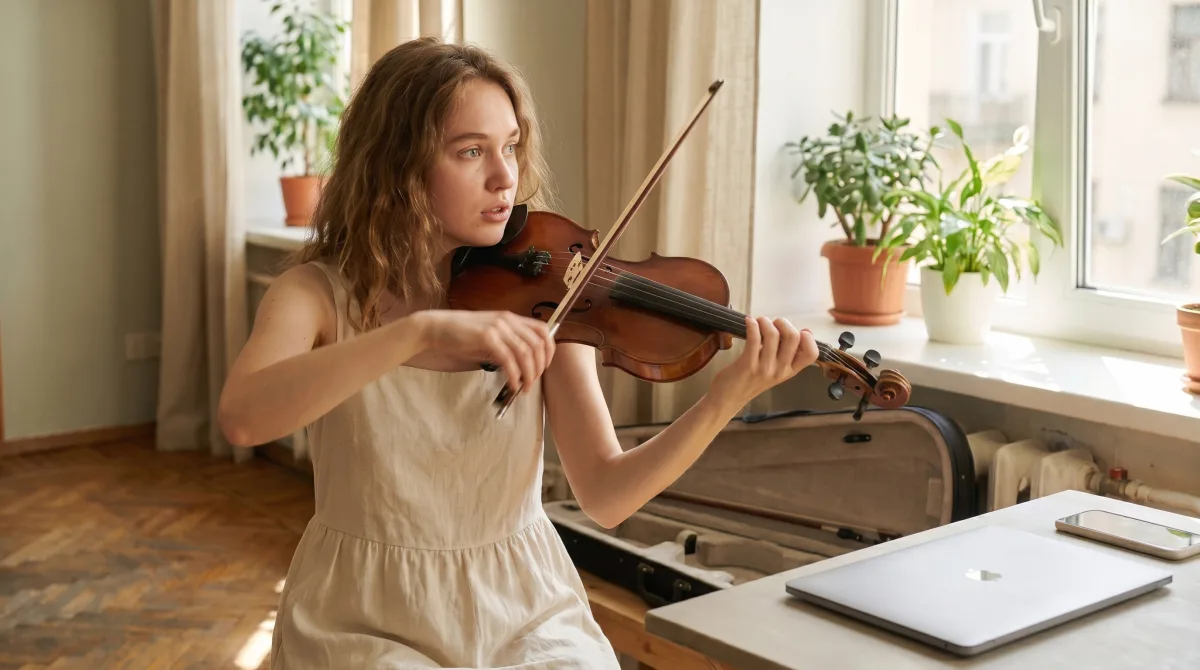
A five-photo grid has no room for a set list. Most dating apps hand a musician one line — "into: live music" — then move straight to swiping, so genre, gigging history, and whatever you're actually rehearsing this month never make it into the profile at all. The one signal that would tell someone who you are gets cut before the conversation even starts.
Singles are getting more decisive about exactly what they want — nearly two in three women (64%) say they're done settling for less, according to Bumble's 2025 Dating Trends Report, based on more than 40,000 members surveyed. That clarity needs somewhere to land. On a manuscript-first app, it lands in an actual paragraph about the music instead of a swipe.
Write the manuscript your five-photo grid never had room for.Yes — and the finding predates streaming by two decades. Rentfrow and Gosling (2003) analyzed the music preferences of more than 3,500 people and found four consistent preference dimensions — reflective-and-complex, intense-and-rebellious, upbeat-and-conventional, energetic-and-rhythmic — each tied to real personality differences, including Openness and even verbal IQ.
That means the genre you mention isn't decoration. Someone who writes about spending Tuesday nights at a free-jazz session is signaling openness and a tolerance for ambiguity the same way someone who writes about marching-band precision is signaling structure and discipline. A photo of you holding a saxophone can't carry that distinction — a paragraph about why you picked it up in the first place can.
It works the way any cultural signal works — by telling a stranger what kind of person you are before you've said a word to them directly. A 2024 review in Frontiers in Psychology by Bamford, Vigl, Hämäläinen and Saarikallio describes presenting your musical taste as "a powerful form of cultural communication" that draws like-minded people toward you and signals your values to everyone else.
"This act of presenting one's musical tastes serves as a powerful form of cultural communication, signaling to others 'what kind of person' one is and potentially attracting like-minded individuals." — Bamford, Vigl, Hämäläinen & Saarikallio, Frontiers in Psychology (2024)
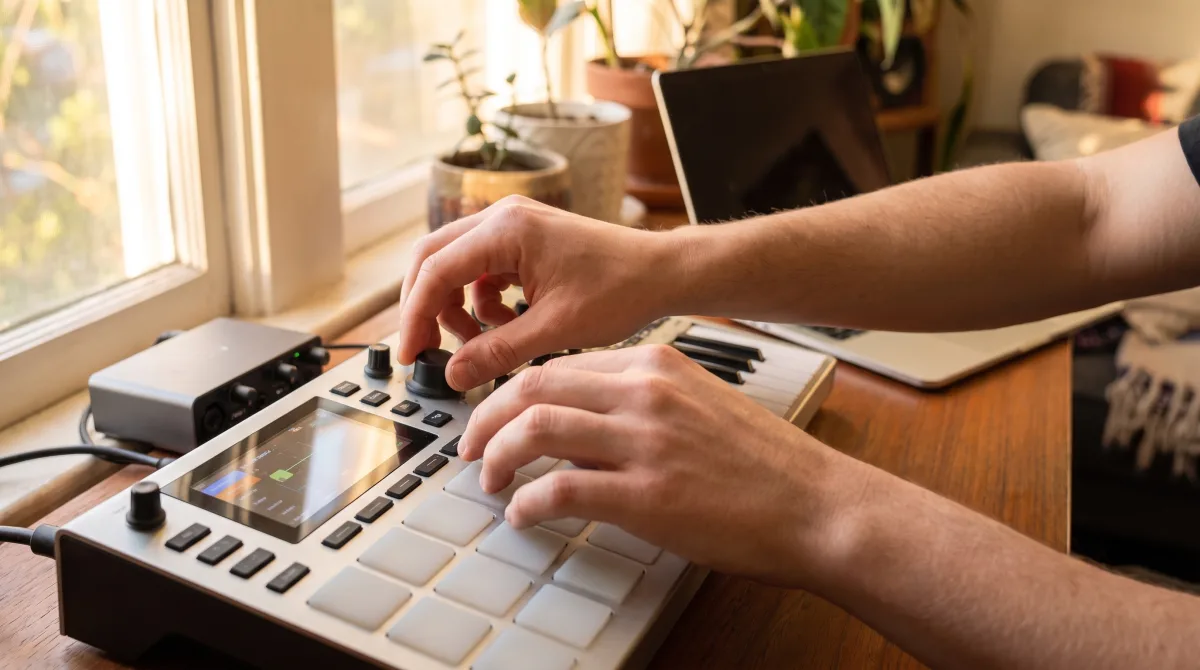
On Anketta there's no photo to caption and no five-line bio field — the manuscript is a blank page you shape yourself with headings and paragraphs, so a section on what you're currently rehearsing fits the same way a section on your day job does. When you highlight a phrase in someone else's manuscript as a like — "still obsessed with modal jazz," say — the matching model starts surfacing more manuscripts that mention it.
There's no swipe gesture involved — you highlight, then press the heart, and the same mechanic runs on cross-outs for things you'd rather not read about again. A text-first approach means the reason you picked up an instrument in the first place is actually searchable inside someone's writing, not buried under a profile photo of you holding it. If you've been putting off writing about it, you can open your own manuscript and start with whatever you rehearsed most recently — not the polished bio version.
It compresses the calendar in ways a casual dater doesn't expect. A rehearsal block, a run of weekend gigs, or a short regional tour can eat the exact hours — weeknight evenings, Saturday mornings — that most early dating happens in, and nobody on the other end of a match knows that until you say so.
- A weeknight rehearsal isn't a canceled plan — it's the plan.
- The morning after a late set is recovery time, not brunch time.
- A two-week tour doesn't pause a new connection; it resets the momentum most people expect from the first few weeks.
Writing that schedule into your manuscript up front does the filtering a five-photo profile can't — the people who read carefully before matching tend to be the ones who don't mind waiting for a Tuesday-after-next reply.
Put this week's rehearsal schedule into words — see who reads it anyway.No — taste overlap helps, but it isn't the whole signal. The same 2024 Frontiers in Psychology review that describes musical taste as a communication channel also notes that shared preferences shape friendship formation and in-group recognition more reliably than they predict long-term romantic fit on their own. What the writing reveals about your values tends to matter more than whether you both like the same drummer.
| Signal | Photo-grid apps | Anketta's manuscript |
|---|---|---|
| How genre surfaces | A one-line "into: live music" prompt sticker | A full section on lineage, influences, and what you're playing now |
| How practice or gig schedule surfaces | Not mentioned until the first few messages | Can sit in your manuscript from day one |
| First-message hook | A joke about the guitar in your third photo | An actual overlap in what you both listen to or make |
| What gets read first | Your face | Your words |
Specificity beats a resume of genres. Naming the instrument, the current rehearsal rhythm, and one real gig story gives a reader something to highlight — a genre list with nothing underneath it doesn't. The goal isn't to prove range; it's to give someone a phrase they can actually respond to.
Do:
- Name the instrument and the genre lineage, not just "music."
- Mention what you're rehearsing this month, not just what you played in 2019.
- Include one specific gig or session story — the one people actually ask about.
Don't:
- List every genre you've ever half-listened to like a resume.
- Bury the touring or rehearsal schedule until three messages in.
- Write "music is my life" and stop there.
Most people default to a photo-first app because that's the only format they've been handed — the same complaint book lovers have about squeezing a reading life into one bio line. A manuscript just gives the same information a different order — so start with what you're rehearsing this week, and let the face come later, once the writing has already done the introducing.
Unsure about writing? Try reading first.Is Anketta a dating app just for musicians?
No — it's a general text-first dating app. But because the manuscript is free-form with no length requirement and no question list, it naturally rewards anyone whose identity is bound up in a specific craft, musicians very much included.
Can I mention my touring or gig schedule in my manuscript?
Yes. There's no template to fill in — you write your manuscript the way you'd write anything else, so a line about weeknight rehearsals or a coming tour fits as naturally as any other section. You can try writing that section first.
Do I need to be a professional musician for this to apply?
No. A weekend covers-band drummer, a bedroom producer, and a choir member who's never been paid to sing all have the same problem on a photo-first app: none of that fits in a caption, no matter how good you are.
Will naming a specific genre limit my matches?
Not the way a filter would. Genre mentions become highlight-and-heart preference signals, not hard exclusions — someone who's never listened to your genre can still highlight a completely different phrase in the same manuscript and match with you anyway.
What if the person I match with has completely different taste in music?
That's fine. Research on musical taste and attraction treats shared preference as one signal among several, not a requirement — what your writing reveals about your values usually carries more weight than whether your record collections overlap.
Does Anketta show photos of other musicians, like stage shots?
Not before you match. No photo enters the decision — you're matched entirely on what you and the other person write, gig photos included — and any photo you've shared only becomes visible once there's a mutual match.