Gen Z vs Millennials Dating 2026: How the Two Generations Differ
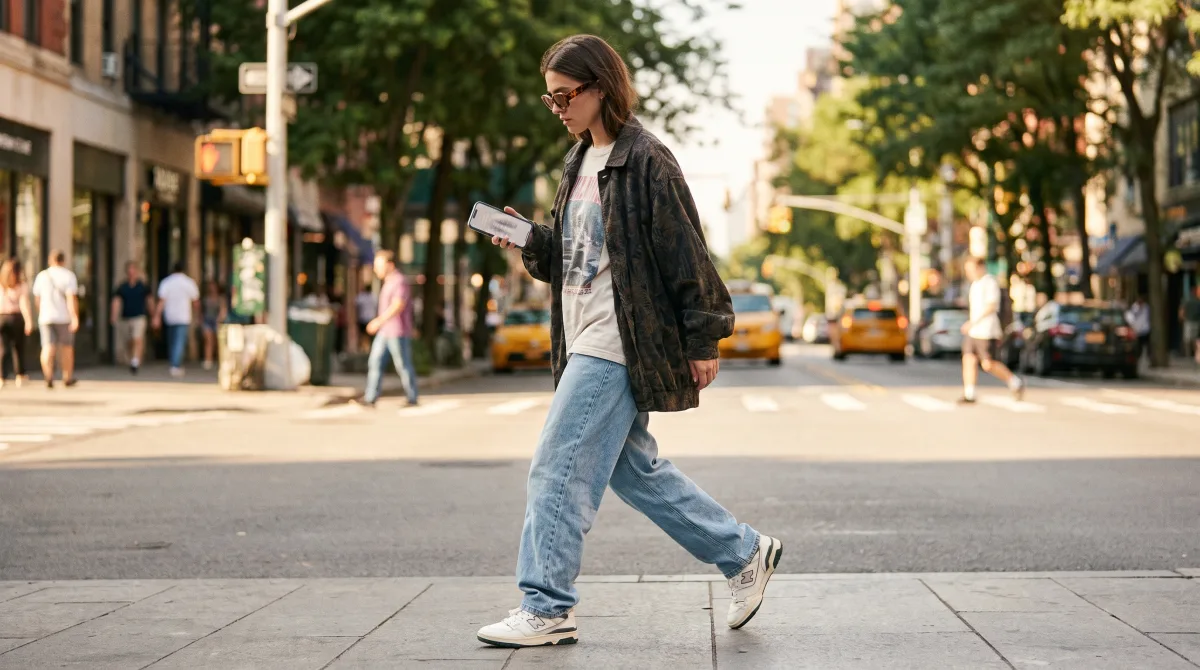
Gen Z (born 1997–2012, aged roughly 14–29 in 2026) and Millennials (born 1981–1996, aged 30–45) carry the same fatigue but spend it differently. Both report heavy dating-app burnout. Where they split: Gen Z is quicker to leave the apps for offline and text-first formats, treats mental-health language as a baseline rather than a disclosure, and dates more deliberately even when it looks chaotic from the outside.
The popular version of this story is mostly wrong. Gen Z gets cast as the situationship generation and Millennials as the marriage-deadline swipers — but a 2024 survey found Gen Z reports the fewest situationships of any age group (32%, versus 35% of Millennials and 45% of Boomers) SurveyMonkey / Top10 (2024). The interesting differences are quieter than the headlines, and a few of them run the opposite way.
Write the version of yourself a profile photo can't showGen Z watched Millennials spend a decade inside swipe apps and measured the results in real time. They came of age with mental-health awareness as a default setting, not a movement, and the "optimized personal brand" already read as dated by the time they turned eighteen. Skepticism, for this cohort, is inherited rather than learned the hard way.
The skepticism shows up in usage. According to Pew Research (2023), adults under 30 are split almost down the middle on whether dating apps even help: 35% say apps made the search for a partner easier, 33% say harder. Older daters lean far more positive. That near-tie among the youngest users is the tell — they use the apps, but they don't trust them.
Three forces drive it:
- The observation effect. Gen Z spent their teens watching older siblings and coworkers burn out on Tinder. They saw the fatigue before they ever made an account, and many decided not to repeat it.
- Mental health as a baseline. This is the first cohort raised with open conversation about anxiety, attachment, and burnout. When a study on app fatigue drops, they read it as confirmation, not news.
- Anti-branding instinct. For Millennials, a polished personal brand was an achievement. For Gen Z it's a cliché, and they drift toward platforms that reward authenticity over the highlight reel.
For the longer view on how this fatigue built up across the whole market, the online dating statistics for 2026 lay out the usage curves behind it, and the state of AI dating in 2026 reads the same shift through the platforms competing for both cohorts.
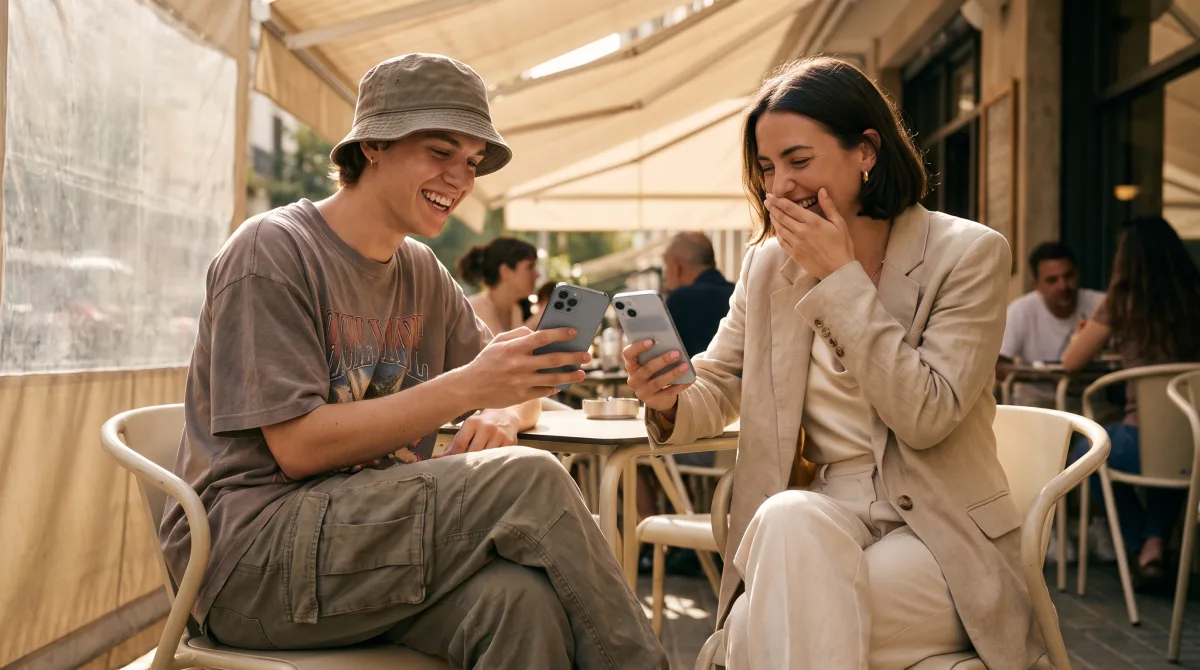
Gen Z leans harder into formats that front-load substance — long written prompts over three-line bios, deliberate pacing over instant replies, and a vocabulary of intentionality borrowed straight from therapy. The shift isn't away from dating. It's away from the parts of dating that felt performative.
The most-cited evidence comes from the apps themselves. Hinge's first Gen Z report found that 90% of Gen Z daters say they want to find love — not a casual fling, love — and that Gen Z daters are 50% more likely than Millennials to delay responding to avoid seeming overeager Hinge (2024). That delay is the opposite of the swipe-fast reflex Millennials trained on a decade ago. It looks like slowness; it's actually screening.
This is where the situationship myth collapses. The cultural read says Gen Z is allergic to labels and addicted to ambiguity — yet they report fewer situationships than every older generation, and surveys repeatedly find that Gen Z's stated openness to non-monogamy doesn't translate into how they actually pair up. They talk like the most experimental generation and behave like one of the most deliberate. The vocabulary moved faster than the behavior.
If the deliberate-pacing instinct resonates, the slow dating movement of 2026 is its organized form — and the age trends across 30s, 40s, and 50s daters show how this same patience reads differently at every life stage.
Millennials remain the core user base of swipe apps for structural reasons, not stubbornness. They invested years into these platforms, the network effect keeps their peers concentrated there, and many still carry a marriage-and-kids timeline that makes "actively searching" feel mandatory — even when the searching itself is what's exhausting them.
The burnout, notably, is no longer a generational divide. A 2024 survey for Forbes Health found that 79% of Millennials and Gen Z reported experiencing dating-app burnout sometimes, often, or always Forbes Health / OnePoll (2024). Both generations are tired. The difference is what they do about it.
Three things keep Millennials on the apps anyway:
- The network-effect lock-in. "There are more people my age on this app" is a real, rational reason. It's hard to leave a platform where your cohort has critical mass.
- Sunk cost. Five to ten years inside swipe apps is a heavy thing to call a mistake. Walking away can feel like conceding that the decade produced nothing.
- Timeline anxiety. Millennials in their thirties often feel a deadline pressing. A swipe app at least feels like motion, even when the slower formats produce better outcomes.
"We spent a decade optimizing dating for speed and volume, and the result was loneliness at scale. People are finally choosing depth over breadth." — Dr. Helen Fisher, biological anthropologist and Chief Science Advisor at Match Group
The honest move for a stuck Millennial isn't deleting everything overnight. It's recognizing that sunk cost is a reason to stop, not a reason to keep going.
The two generations are converging on exhaustion and intentionality faster than the "Gen Z vs Millennials" framing admits. Both report the same burnout rate. Both increasingly want fewer, deeper connections over endless matches. The gap is one of pace and self-presentation, not of fundamental goals — and that shared direction is the real 2026 story.
Here's how the headline myths line up against the data:
| Claim you've heard | What the data shows |
|---|---|
| Gen Z loves situationships | Gen Z reports the fewest situationships (32%) of any generation |
| Gen Z is anti-commitment | 90% of Gen Z Hinge daters say they want to find love |
| Only Gen Z is burned out | 79% burnout across both Gen Z and Millennials |
| Millennials are the swipe natives | They are — but they're as tired of it as Gen Z is |
| Apps clearly help young daters | Under-30s split 35% easier / 33% harder |
Read together, the table says the generational war is mostly marketing. Both cohorts want substance; one just got there first and louder. What separates a good outcome from a bad one in 2026 isn't your birth year — it's whether the format you're using rewards the slow, written, intentional version of you or punishes it. That's the shift toward text-based dating both generations are quietly making.
For Gen Z, the working pattern is text-first as the base, offline events as the supplement, and swipe apps used sparingly or not at all. For Millennials, it's a gradual pivot — trimming swipe time, adding a text-first format, and treating the slower channels as the main event rather than a side experiment. For both, the deciding factor is whether the platform is built to reward intention.
For Gen Z:
- Lead with text-first platforms where the writing is the profile.
- Supplement with offline formats — run clubs, book clubs, hobby groups — where the screening already happened in person.
- Skip swipe apps unless there's a specific reason to be there.
For Millennials:
- Pivot gradually: cut swipe sessions, add one text-first channel, and let sunk cost stop being the argument for staying.
- Use the slower premium tiers on existing apps — written prompts, longer profiles — over infinite scroll.
- Rebuild the offline muscle that swipe culture let atrophy.
This is where a text-first design earns its keep for both cohorts. On Anketta there is no photo grid before you match, and no swipe gesture — you're matched on what you wrote, not how you look. To signal interest you highlight a phrase in someone's manuscript that you actually liked, then press the heart; the algorithm watches what you highlight and surfaces more of it, so the queue narrows toward what you genuinely respond to instead of what photographs well. A mutual heart opens a 48-hour window where either side can still walk away — and if neither does, the match becomes permanent and the app collapses to the conversation. It's slow by construction, which is exactly the format both generations keep saying they want. You can try writing your own manuscript and see how different it reads from a bio grid.
For the privacy side of writing candidly — phone, email, and address are server-blurred for anyone you haven't matched with — the dating data privacy guide for 2026 covers what that actually protects.
Slow by design — the format both generations keep asking forDo Gen Z and Millennials use dating apps differently?
Yes, but less than the headlines suggest. Both report the same burnout rate (79%, per Forbes Health 2024). Gen Z leaves the apps faster for text-first and offline formats and dates more deliberately, while Millennials stay longer due to sunk cost and network effects.
Is Gen Z really more casual about dating than Millennials?
No — that's the most reversed myth in the data. Gen Z reports the fewest situationships of any generation (32%), and 90% of Gen Z Hinge daters say they want to find love. Their vocabulary sounds casual; their behavior is among the most intentional.
Why is Gen Z leaving dating apps?
Gen Z watched Millennials burn out on swiping for a decade and chose not to repeat it. Pew found under-30s are split almost evenly on whether apps even help (35% easier, 33% harder), so many shift to offline events and written formats instead.
Are Millennials more marriage-focused than Gen Z?
Somewhat — Millennials in their thirties often feel timeline pressure that keeps them "actively searching." But Gen Z's stated desire for committed relationships is high too, so the gap is about pace and pressure, not the goal itself.
What dating format works best for both generations?
Text-first, intentional formats with a slow structure. Both cohorts say they want fewer, deeper connections, so platforms that reward written substance over swipe volume fit both — Gen Z arrives there sooner, Millennials get there by pivoting away from infinite scroll.
Is this article up to date?
Generational dating data shifts each quarter as new surveys land. This piece is reviewed on a quarterly refresh cycle — refresh due Q3 2026 — so the figures stay current against the latest Pew, Hinge, and Forbes Health releases.
The generational war makes a better headline than it makes a fact. Strip the labels and both cohorts are saying the same tired, hopeful thing — that a thousand matches were never worth one real conversation, and they'd trade the whole grid for a few honest pages.
Unsure about writing? Try reading first.