Dating in Your 30s, 40s, and 50s: 2026 Age Trends

Dating shifts on three axes as you age — available time, what you're looking for, and the demographics of who's single. People in their 30s are time-starved and decision-sharp, usually hunting for a long-term partner. People in their 40s are mostly on a second cycle after divorce, dating around kids and careers. People in their 50s skew toward companionship over romance, and many are returning to dating after a long marriage ended. According to Pew Research (2023), 37% of adults 30 to 49 have ever used a dating app, dropping to 20% of those 50 to 64 — the older you get, the less the standard app fits your life.
The product angle underneath this is rarely connected. A photo-grid, swipe-first app is one machine, and it serves each cohort differently well — fine for a 25-year-old with time to scroll, badly mismatched for a 38-year-old with two hours of dating budget a week. A text-only platform like Anketta — no photo before you match, no swipe gesture, matched on what you write and on the phrases people highlight in your writing — flips the math in a different way for each age. The same structural feature that saves a 30-something time also removes the selfie hurdle that keeps a lot of 50-somethings off the apps entirely.
Write once, and let the right person find the words that matter.Your 30s are the most time-poor dating decade of your life. Careers peak, marriage and kids move from abstraction to deadline, and for many the first round of caring for aging parents begins — all at once. The scarce resource isn't matches; it's hours. That scarcity is what makes endless swiping feel useless even when, algorithmically, it still works.
A few forces define the cohort:
- The triple squeeze. Career, the marriage-and-kids question, and the early years of elder care compete for the same calendar. The weekly budget for dating is the smallest it will ever be.
- Sharp filters. By 30 you know what doesn't work for you. The criteria harden, which thins the real pool on any platform — fewer maybes, more fast nos.
- Deadline anxiety. It lands differently by gender and biology, but the felt pressure to "figure this out" is near-universal in the 33-to-38 band.
- App fatigue carried over from your 20s. Most 30-somethings already spent five to ten years swiping. The exhaustion is cumulative, which is part of the broader dopamine-detox shift in dating.
- Higher bar for emotional maturity. At 30 the search is for a partner, not a highlight reel. Match's Singles in America work has repeatedly found emotional maturity outranking looks among what daters say they want most.
The strategic move at 30 is to stop spending the scarce resource — attention — on volume. A format that asks you to read a few manuscripts carefully and signal interest by highlighting a phrase you actually liked spends your hours on depth instead of throughput. If you're starting over after a long relationship, the mechanics are the same but the re-entry is its own thing — see how to start dating again and, for the post-split version specifically, dating for divorced people in their 30s.
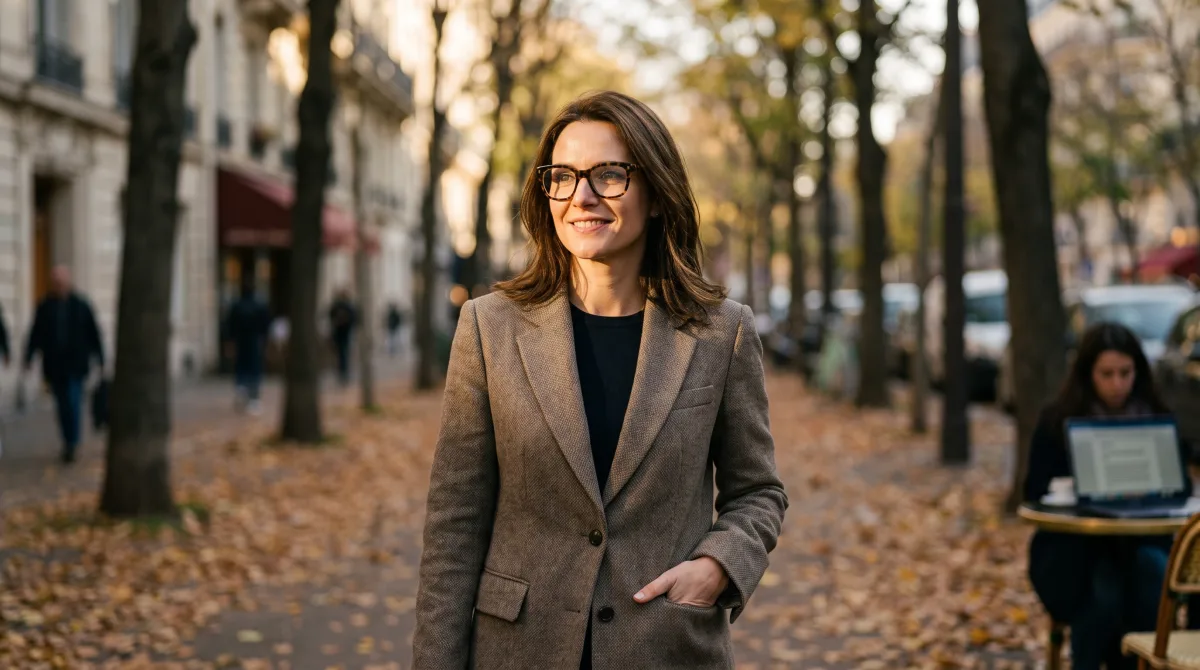
Your 40s are the second-cycle decade. Most people dating at 40 have already been in a long relationship or marriage, many have kids, and the goal has quietly migrated from "find my person" to "find someone good to share this life with." That reframing changes behavior more than any app feature does.
The demographics are the backdrop. By the mid-40s a large share of the dating pool has been divorced at least once; the U.S. Census Bureau (2021) found that among ever-married adults, the share who have divorced climbs to about 43% for both sexes by ages 55 to 64 — and the 40s are where that curve steepens. Practically, that means most of the active over-40 dating segment is repartnering, not partnering for the first time.
What shifts in the 40s:
- Kids are a scheduling reality. Dating has to fit custody calendars and school weeks. The constraint is logistical, not romantic, and it filters hard. Single-parent dating is its own discipline.
- Career stability rewrites the dynamic. Financial footing is steadier than it was at 30, which changes what people are optimizing for in a partner.
- Appearance anxiety eases. By 40, most people have made peace with how they look. That lowers the appeal of photo-first formats and raises the appeal of being read rather than ranked.
- Compatibility filters get specific. Lifestyle fit, values, kids-or-no-more-kids — these start to outweigh chemistry as the screening criteria.
This is the cohort where text-first formats earn their keep. When appearance matters less and lifestyle-fit matters more, a written manuscript carries the signal a photo grid can't. The decision slows down on purpose — the same bet slow dating in 2026 makes — and the screening happens on the page before anyone spends a Saturday on a bad first date.
At 40, you already know what fits. Read for it instead of swiping past it.Dating in your 50s is later-stage and companionship-weighted. The pace is slower, the expectations are steadier, and a meaningful share of active daters are returning after a spouse died or a long marriage ended. Romance isn't the only goal anymore — for many it's a partner to share ordinary life with.
The headline demographic fact is gray divorce. The divorce rate for adults 50 and older has more than doubled since 1990, according to the National Center for Family & Marriage Research at Bowling Green State University — which means the 50-plus dating pool is larger and more experienced than it was a generation ago. At the same time, the cohort is the lightest app user: Pew Research (2023) found that only one in six Americans 50 and older (17%) have ever used a dating site or app, and just 6% of older adults in relationships met their partner that way.
What defines the 50s cohort:
- Re-entry after loss or late divorce. Many are dating for the first time in decades. The on-ramp matters more than the algorithm.
- A real technology gap. The selfie-first, swipe-fast app interface is a genuine deterrent here, which is part of why app adoption stays low even as the single population grows.
- Companionship over passion. The strategy bends toward steady compatibility, which reshapes pace and tone from the first message on.
- Health honesty enters early. Candor about health becomes part of the opening conversation. That takes tact, and a format that lets you write it down beats one that demands it in a 200-character bio.
- Adult kids have opinions. Dating in your 50s often happens in full view of grown children with views on who you bring home.
The text-only format quietly solves the biggest 50-plus blocker: there's no selfie to take and no video to record, so the most common reason people in this cohort bounce off dating apps simply isn't present. You write a manuscript the way you'd describe yourself to a new friend, and you're read before you're judged.
Across all three decades, three things move in the same direction in 2026: text-first formats are growing, swipe-first behavior is cooling, and the language of emotional maturity is showing up everywhere in how people describe what they want. Younger cohorts adapt fastest, older ones slower, but the vector is shared.
| Cohort | Primary goal | Time budget for dating | Best-fit formats |
|---|---|---|---|
| 30s | Long-term partner | Lowest of any decade | Text-first, structured-prompt apps, matchmakers |
| 40s | Repartnering after divorce | Constrained by kids + career | Text-first, lifestyle-filter apps |
| 50s | Companionship + late commitment | More flexible, slower pace | Text-first, 50+ niche apps, matchmakers |
The shared trends, briefly:
- Text-first is rising in every cohort. It's a relief at 30 (saves time), a fit at 40 (carries lifestyle signal), and an on-ramp at 50 (no selfie required). Same feature, three different reasons.
- Swipe-first is cooling everywhere. Fatigue runs across ages; the youngest daters, who swiped longest, are pulling back hardest.
- Emotional-maturity language is mainstream. The therapy-adjacent vocabulary that started with younger daters now shows up across the board — see dating and therapy in 2026.
This is also where the generational picture gets interesting: the cohort lines don't fall exactly on the decade marks, which is why Gen Z vs millennial dating in 2026 tells a sharper story than age brackets alone. And the rise of women-led dating in 2026 cuts across all three decades at once — who initiates is shifting independent of age.
The numbers tell the same story the 2026 online dating statistics lay out at length: usage is age-stratified, and the formats that grow are the ones that don't depend on having the time, or the appetite, to swipe — the same structural turn the state of AI dating in 2026 traces across the industry. Anketta's read on it is structural rather than demographic — when no photo enters the decision and there's no swipe to perform, the thing that scales down with age (patience for the apps) stops being the bottleneck.
Unsure about writing? Try reading first.How is dating in your 30s different from your 20s?
The defining change is time. Your 30s stack career, the marriage-and-kids question, and early elder care onto the same calendar, so the dating budget shrinks. Filters sharpen, app fatigue from your 20s carries over, and the bar for emotional maturity rises — which is why time-efficient, text-first formats fit the decade.
What's the biggest challenge of dating in your 40s?
Logistics and demographics. Most over-40 daters are repartnering after divorce, often around kids, so dating has to fit custody and school schedules. Compatibility filters get specific — lifestyle, values, kids-or-no-more-kids — and screening on a written profile beats screening on photos.
Why do fewer people over 50 use dating apps?
Two reasons. Pew Research (2023) found only 17% of adults 50 and older have ever used a dating app, partly because the selfie-first, swipe-fast interface is a real deterrent for the cohort. The single population over 50 is growing — gray divorce has more than doubled since 1990 — but app adoption lags the demand.
Is text-based dating better for older daters?
For many, yes. A text-only format removes the selfie and video step that keeps a lot of 50-plus daters off the apps, and it lets people write about health, companionship, and what they want with more nuance than a short bio allows. You're read before you're ranked, which suits a slower, companionship-weighted pace.
What dating trends apply across all ages in 2026?
Three move together: text-first formats are growing in every cohort, swipe-first behavior is cooling (hardest among the youngest, who swiped longest), and emotional-maturity language has gone mainstream. Younger daters adopt faster, older ones slower, but the direction is the same across decades.
Does dating get easier or harder with age?
It changes rather than simply easing or hardening. You gain self-knowledge and lower appearance anxiety, but you face a smaller, more filtered pool and tighter time. The practical fix is matching your format to your decade — depth and time-efficiency over volume, which is exactly what text-first dating is built for.
Thirty optimizes for time, forty for fit, fifty for companionship — and the format that reads you instead of ranking you bends to fit all three.