Women-Led Dating 2026: Who Really Wins When She Moves First
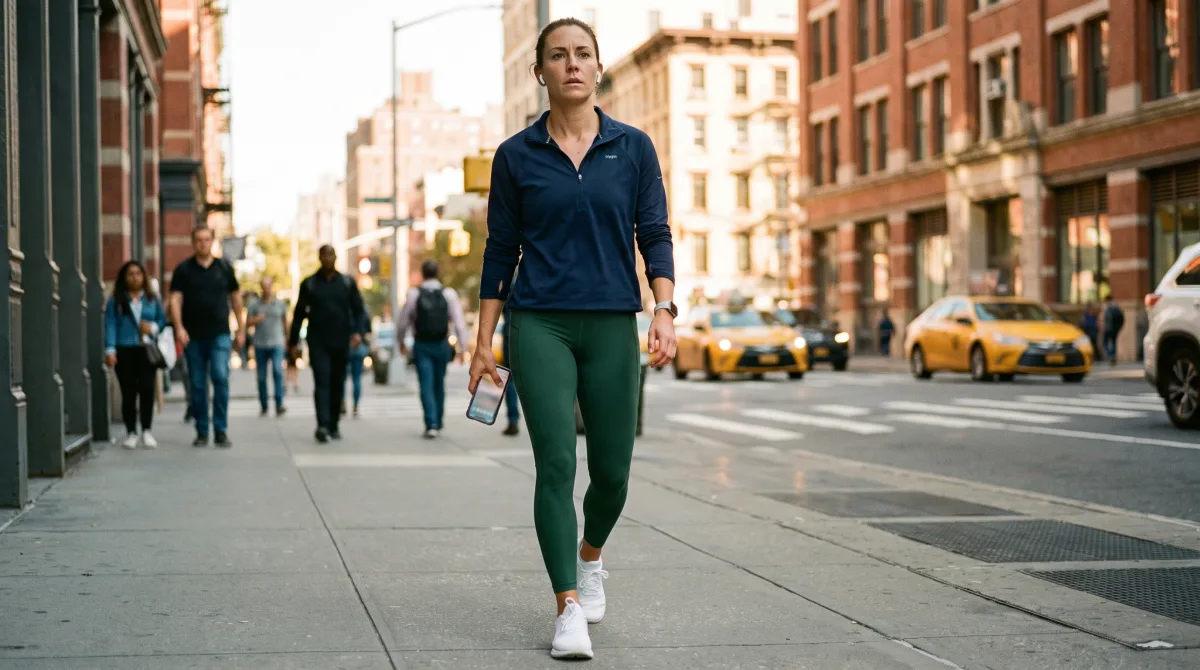
Women-led dating describes a shift where women initiate first contact, set the pace of a conversation, and propose meeting — rather than waiting to be approached. By 2026 it reads less like a movement and more like the baseline expectation among daters under 40. The structural push started a decade ago: Bumble built its entire product on women messaging first in heterosexual matches, and the norm spread outward from there.
But the tidy version of this story — she takes the initiative, everybody wins — doesn't survive contact with the data. Women who message first on OkCupid are 2.5 times more likely to get a response than men are Psychology Today (2016). Yet relationship-satisfaction data points the other way for women specifically. The interesting part of women-led dating in 2026 isn't whether it's happening. It's who it actually serves — and why the format matters more than the gesture.
Write the version of yourself that goes first on the page, not in the inboxBy the response-rate measure, yes — clearly. The most-cited evidence is OkCupid's own internal analysis of millions of first messages. Women who initiated saw 30% of their first messages end in a date, against just 12% for men — and they tended to hear back from more sought-after matches, not fewer OkCupid via Notable Life (2016).
There's a scarcity effect underneath the number. Men send roughly 3.5 times as many first messages as women on the same platform, so the rare woman who opens stands out in an inbox that's otherwise quiet on her end. The asymmetry isn't a coincidence — it's the whole reason the move works:
- Signal value. When most women wait, the one who writes first reads as confident and specific. The message itself is the differentiator.
- Selection effect. A woman who initiates is choosing her targets instead of filtering a pile of incoming messages, so she aims higher and engages with people she'd actually want.
- Lower competition. Her message lands in a near-empty channel rather than competing with dozens of others, which is the exact opposite of the man's experience.
So on the question of does it work, the answer is settled. The complication shows up when you ask a different question — not "does she get a reply" but "is she happier afterward."
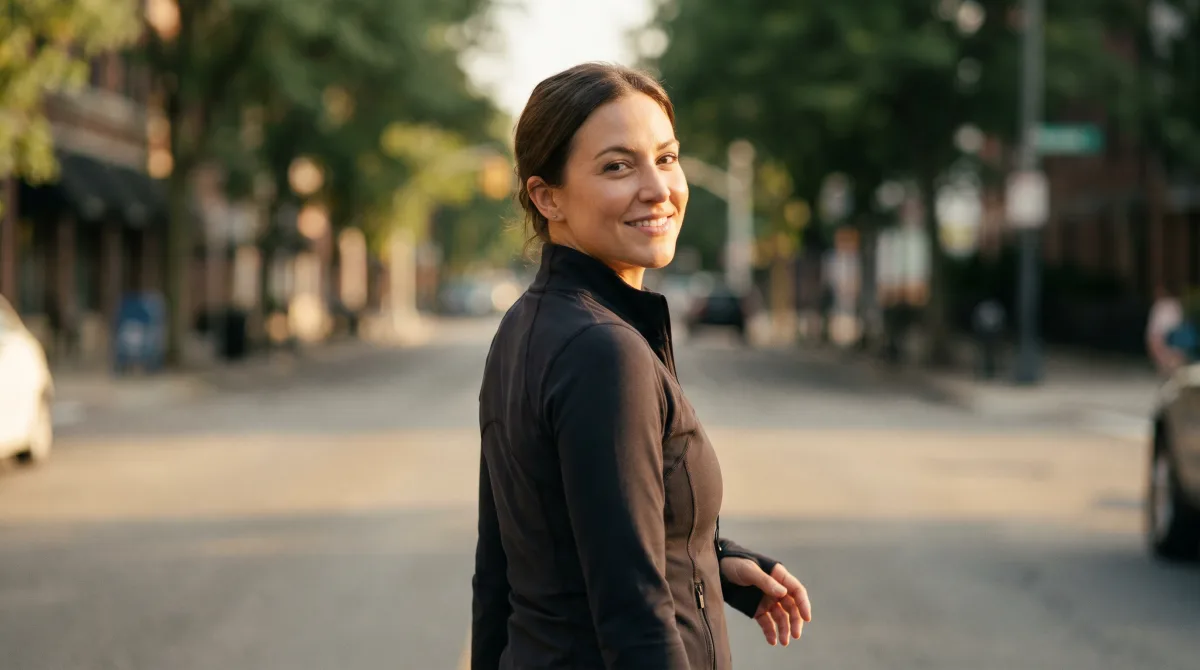
Here's where the headline cracks. The Institute for Family Studies analyzed who asked whom and how relationships fared, and the result is lopsided in an uncomfortable way. Men who made the first move are far more likely to call their relationship very happy: 70% versus 46% for men who didn't. For women, asking first correlated with slightly lower satisfaction — 59% versus 63% Institute for Family Studies (2021).
Read that twice. The same act — going first — tracks with more happiness for one partner and slightly less for the other. The likely explanation isn't that initiative is bad for women. It's that, in a culture still half-scripted around men pursuing, a woman who initiates may end up carrying more of the relational effort downstream, or selecting partners who were comfortable being chased rather than chasing. The gesture is liberating; the surrounding script hasn't fully caught up.
This is the part most 2026 trend coverage skips, because "women winning by going first" is a cleaner story than "it depends on what the format and the partner do with it." The honest read: making the first move is a strong move in a thin channel, but it isn't a magic outcome on its own. For more on reading a partner's response to your initiative as signal, the green flags and red flags guide maps which reactions are worth weighting.
Bumble spent ten years as the architectural home of women-led dating — men literally could not message first. In 2024 it loosened that rule, rolling out "Opening Moves," which lets women set a prompt their matches can answer instead of forcing every woman to compose a cold opener herself. The framing is telling: 88% of single women surveyed told Bumble that equality is about personal choice and autonomy — the freedom to decide, not the obligation to always go first Bumble / BusinessWire (2024).
That pivot is the real 2026 signal. The first wave of women-led dating was about permission — you can write first. The second wave is about removing the cost of doing so. Forcing every woman to draft an opener turned out to be its own kind of labor, and the platform that pioneered the norm spent its tenth year trying to make initiation lighter rather than mandatory.
"Equality is about personal choice and the autonomy to decide what's right for you." — 88% of single women surveyed, Bumble (2024)
The lesson generalizes past Bumble. The frontier of women-led dating isn't a rule about who types first. It's design that lowers the friction of going first for whoever wants to — which is exactly where a text-first format earns its place. If you're weighing platforms on this axis, the Bumble alternatives for 2026 compares them on how initiation actually feels.
Underneath the cultural conversation is a plumbing problem, and Pew Research measured it. On dating apps, 54% of women say they have felt overwhelmed by the volume of messages they received in the past year — against just a quarter of men. Men have the inverse complaint: 64% report feeling insecure because of the lack of messages Pew Research (2023).
That mismatch is the engine of the whole dynamic. The standard swipe-and-message economy floods women and starves men, so "women should make the first move" is partly a workaround for a broken channel — if she initiates, she skips the flooded inbox and reaches a man who was waiting in silence. The advice works because the underlying system is dysfunctional.
The numbers behind that flood — match-to-conversation rates, response curves, the volume gap by gender — are laid out in the online dating statistics for 2026. Seen together, they reframe women-led dating: it isn't only an empowerment trend, it's a patch on an inbox economy that doesn't work for anyone — one of the structural pressures the state of AI dating in 2026 ties to where the whole market is heading.
| Frame you've heard | What the data actually shows |
|---|---|
| Women who initiate get rejected more | They get 2.5x the response rate of men |
| Going first always makes you happier | True for men (70% vs 46%); slightly negative for women (59% vs 63%) |
| Women love drafting first messages | 88% say equality is about choice, not obligation |
| The inbox is fair to both genders | 54% of women feel overwhelmed; 64% of men feel ignored |
| Women-led dating is just a values trend | It's also a workaround for a broken message channel |
The working pattern in 2026 isn't "always message first" — it's "initiate deliberately on platforms that make initiating cheap." Where the act of going first is high-effort (a cold opener into a stranger's flooded or empty inbox), do it selectively and aim high. Where the format already front-loads substance, the first move stops feeling like a gamble because you're not opening cold.
On swipe apps (Tinder, Hinge): initiate on purpose, but ration it. You're a scarce signal in a noisy channel, so a specific, particular message about something in their profile outperforms volume every time. Don't try to out-message the men sending 3.5x more — out-specific them.
On Bumble: use Opening Moves if drafting a cold opener is the part that drains you. Letting matches answer a prompt you set is still leading — you're framing the conversation — without the blank-page tax.
On text-first platforms: the first move barely registers as a move, because you've already read pages of who someone is before you reach out. That's the structural fix to the IFS satisfaction gap — when initiation isn't a cold leap into ambiguity, it doesn't carry the same downstream weight.
This is where Anketta's design speaks directly to the women-led question. There is no swipe gesture and no photo grid — you're matched on what you wrote, not how you look. To signal interest you highlight a phrase in someone's manuscript that genuinely landed for you, then press the heart; the algorithm watches what you highlight and surfaces more of it. Initiation is gender-neutral by architecture — either side reaches out the same way, after reading the same depth of writing — so "who goes first" stops being a loaded social script and becomes a low-cost response to something you actually read. A mutual heart opens a 48-hour window where either side can still walk away, and if neither does, the match becomes permanent. You can try writing the manuscript first and see how different it feels to reach out to someone whose words you've already sat with.
For the friction underneath all of this — the fear of the cold opener itself — the practical mechanics in how to ask someone out online translate directly to going first with less dread.
When you've already read someone's pages, the first move stops feeling like a leapIs women-led dating really mainstream in 2026?
Yes, as a norm and expectation among daters under 40. Bumble normalized women messaging first a decade ago, and the broader culture followed. The 2026 shift is from permission to initiate toward lowering the cost of doing so — Bumble's own 2024 Opening Moves pivot is the clearest marker.
Do women who make the first move get better responses?
Substantially. OkCupid found women who message first are 2.5x more likely to get a reply than men, and 30% of their first messages ended in a date versus 12% for men. Because few women initiate, the ones who do stand out in a near-empty channel.
Does making the first move make women happier in relationships?
Not clearly. The Institute for Family Studies found men who initiated report much higher satisfaction (70% vs 46%), but women who asked first reported slightly lower satisfaction (59% vs 63%). Initiating wins responses; the long-run happiness effect depends on the partner and the surrounding script.
Why did Bumble drop the women-first requirement?
Because forcing every woman to draft a cold opener became its own burden. 88% of women told Bumble equality means personal choice, not obligation, so Opening Moves now lets women set a prompt matches answer — still leading, without the blank-page tax.
What dating format works best for women-led initiation?
Text-first, slow formats where you've already read who someone is before reaching out. When the first move follows real reading rather than a cold leap into ambiguity, it carries far less risk and effort — which is the structural answer to why initiating can otherwise feel uneven for women.
Is this article up to date?
Women-led dating norms and platform mechanics shift as new surveys and product changes land. This piece is reviewed on a quarterly refresh cycle — refresh due Q3 2026 — so the figures stay current against the latest Pew, OkCupid, IFS, and Bumble releases.
The first move was never really about who types the opening line. It's about whether the format makes going first feel like a leap or a reply — and in 2026, the apps quietly winning are the ones that turned the leap into a reply.
Unsure about writing? Try reading first.